Southern Style BBQ Ribs Traditional Slow-Smoked Recipe
Introduction
Southern style BBQ ribs are one of the most rewarding dishes you can pull off your pit. They are the centerpiece of family cookouts, neighborhood gatherings, and the big catering jobs we live for at BBQ Feast. This guide walks you through how we approach traditional slow-smoked ribs, the way we have learned to cook them after years of feeding crowds across the South.
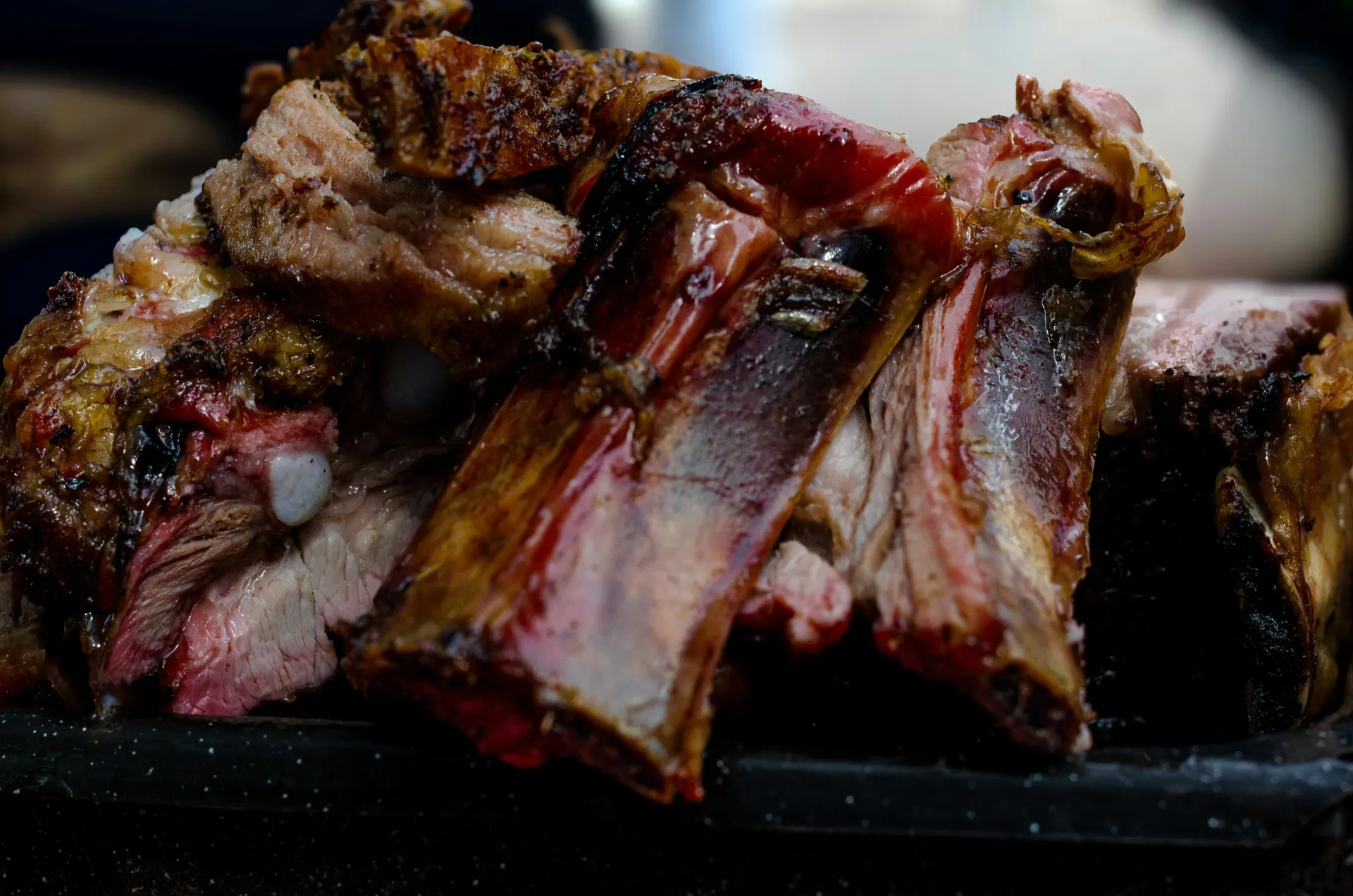
Done right, the ribs come off the smoker tender but with the bite that real barbecue is known for. The meat pulls cleanly from the bone, the bark is dark and lacquered, and the smoke ring sits just under the surface like a signature.
Key Takeways
- Traditional Southern BBQ is a regional tradition, with different sauces, woods, and wrap styles depending on where you are cooking.
- Beef ribs and pork spareribs are the classic Southern smoker cuts. Lamb ribs are a fun variation, but they are not part of the traditional canon.
- Apply your dry rub at least 30 minutes before the smoker, or up to overnight for deeper flavor.
- Smoke between 225 and 250 degrees Fahrenheit using post oak, hickory, pecan, or a fruitwood blend.
- No smoker? An oven or slow cooker can get you close, though you will lose the smoke.
- Plan on 5 to 8 hours of cook time, plus a 15 to 20 minute rest before slicing.
What Makes Southern Style BBQ Ribs Special?
Southern barbecue is not one single thing. Memphis leans toward dry-rubbed pork ribs with a vinegar mop. Kansas City brings the thick, sweet tomato sauce. The Carolinas swear by vinegar and pepper. Texas, while debated as Southern or Southwestern, lives and dies by salt, pepper, and post oak smoke on beef. What ties these traditions together is patience, hardwood smoke, and respect for the meat.
Here is what we keep in mind when we pull ribs off the pit at a Feast event:
Meat first
Good barbecue starts with good meat. Well-marbled ribs from a reputable butcher will outperform any seasoning or sauce. Fat is flavor, and slow heat is what turns that fat into something memorable.
Dry rub or no rub
A balanced rub builds the bark and seasons every bite. Some pitmasters use a heavy rub, some use only salt and pepper. Both are traditional. What matters is letting the seasoning sit on the meat long enough to do its job.
Low and slow
Cooking at 225 to 250 degrees Fahrenheit gives collagen time to break down into gelatin. That is the difference between a rib that has texture and tenderness and one that is dry or chewy.
Smoke as a seasoning
Hardwood smoke is not a coating you pile on. It is an ingredient. Too much and the ribs turn bitter. The right amount adds a clean, savory depth you cannot fake.
The finished plate
A properly cooked rib has a dark mahogany bark, a visible smoke ring just under the surface, and meat that pulls cleanly from the bone but still has a little bite. That bite is the mark of barbecue done right. Meat falling off the bone is usually a sign the ribs were overcooked or braised, not smoked.
Choosing the Right Ribs
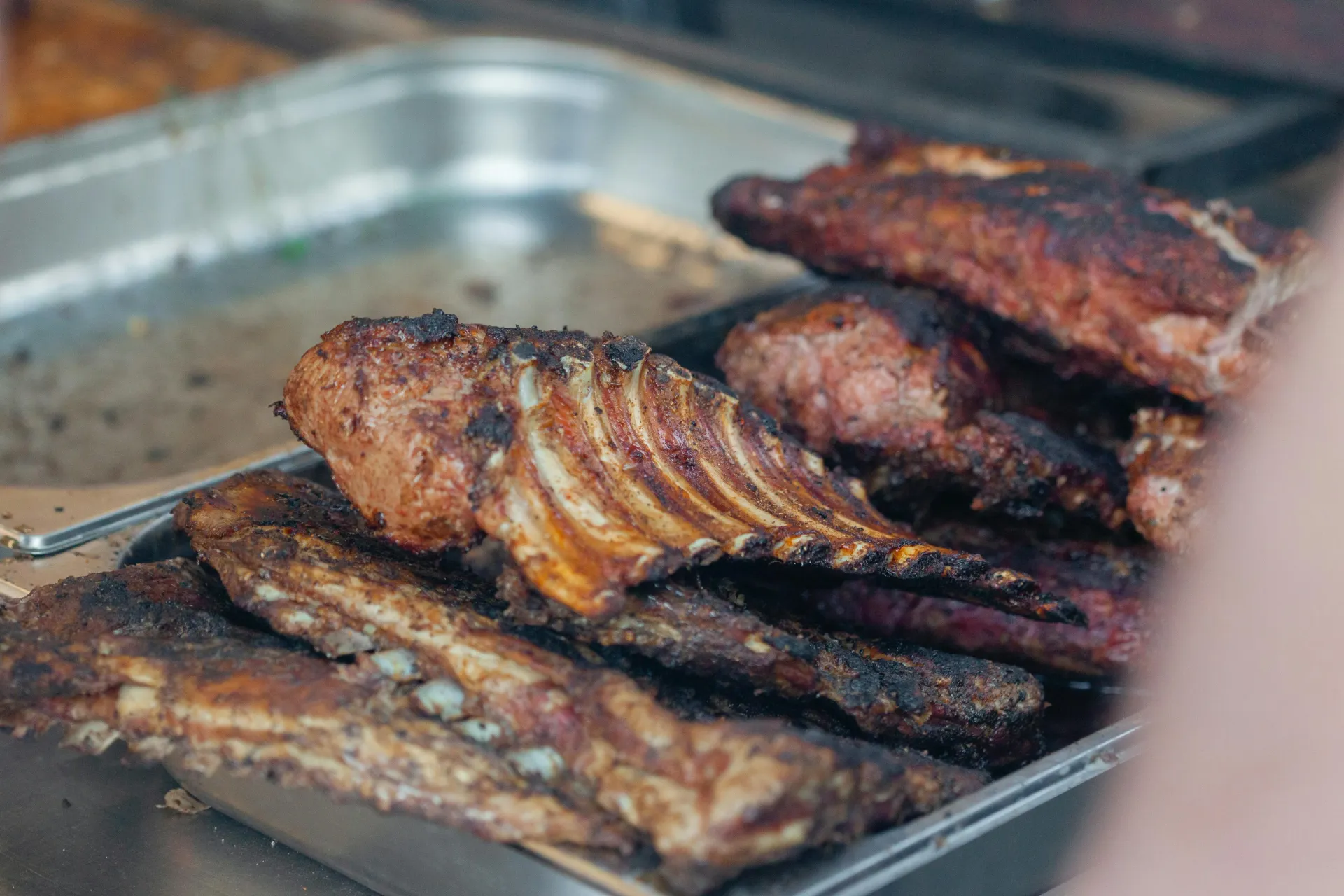
Pork spare ribs and St. Louis cut ribs are the backbone of Southern BBQ. Beef ribs, especially plate ribs and short ribs, have become more popular in recent years and hold up beautifully to long smokes. Lamb ribs are not traditional Southern fare, but they are an interesting option for cooks who want something different. We mention them for completeness, not because they belong in a Memphis competition.
A few things we look for when sourcing ribs for a catering job:
- Marbling. Visible intramuscular fat keeps the meat moist through a long cook. The whiter the marbling, the better the eating.
- Thickness and evenness. Ribs that are uniformly thick cook more evenly. Thin tips will dry out before the thicker end is done.
- Color and smell. Fresh ribs are bright pink to deep red with a clean, neutral smell. Any sour or off-putting odor means the meat has turned.
- The membrane. Always remove the silver membrane from the bone side. It blocks smoke and seasoning and turns leathery in the heat.
Why Slow Smoking Gives the Best flavour?
Low and slow is not just a saying. It is the actual chemistry behind great barbecue.
- Collagen breakdown. Ribs are full of connective tissue. Held at 225 to 250 degrees over several hours, that collagen melts into gelatin, which is what gives properly smoked ribs their tender, juicy mouthfeel. Push the heat too high and the proteins seize before the collagen has time to convert.
- Fat rendering. Intramuscular fat slowly liquefies during the cook, basting the meat from within. This is why marbling matters so much.
- Bark formation. The dark crust on a well-smoked rib comes from several things working together. The rub dries and concentrates on the surface, sugars and proteins go through the Maillard reaction, and smoke particles deposit on the meat. With time and steady airflow, that surface polymerizes into the dense, flavorful bark pitmasters chase.
- The smoke ring. That signature pink layer just under the surface is not from extra-deep smoke penetration. It is nitric oxide and carbon monoxide from the smoke reacting with myoglobin in the meat. The ring forms early in the cook, while the meat is still cold. It is a sign of good smoke management, not deeper flavor.
How to Prepare Ribs for the Smoker
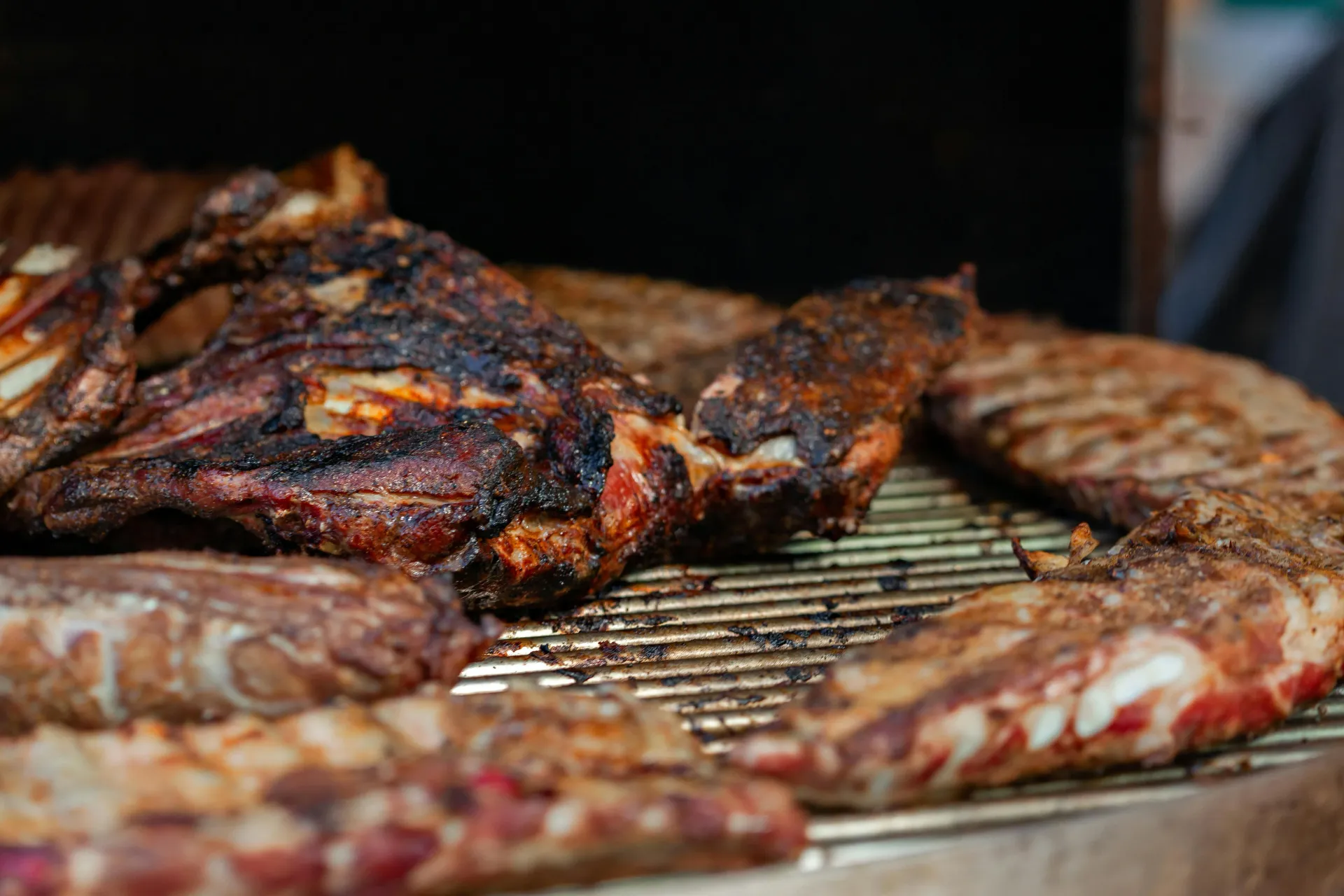
- Trim and clean. Pull off the membrane on the bone side and trim away any heavy fat caps or loose flaps that will not render.
- Mix your dry rub. A classic Southern rub balances salt, sugar, paprika, black pepper, garlic, and a touch of heat. Mix it ahead of time and keep it in a sealed jar.
- Season generously. Pat the ribs dry, then coat every surface with rub. A light coat of mustard or oil helps the rub stick, but it is optional.
- Let it rest. Give the rub at least 30 minutes to draw out moisture and form a tacky surface. Overnight in the fridge is even better for deeper flavor.
Equipment You Need for Smoking Ribs
Basic Smoker or Grill Setup
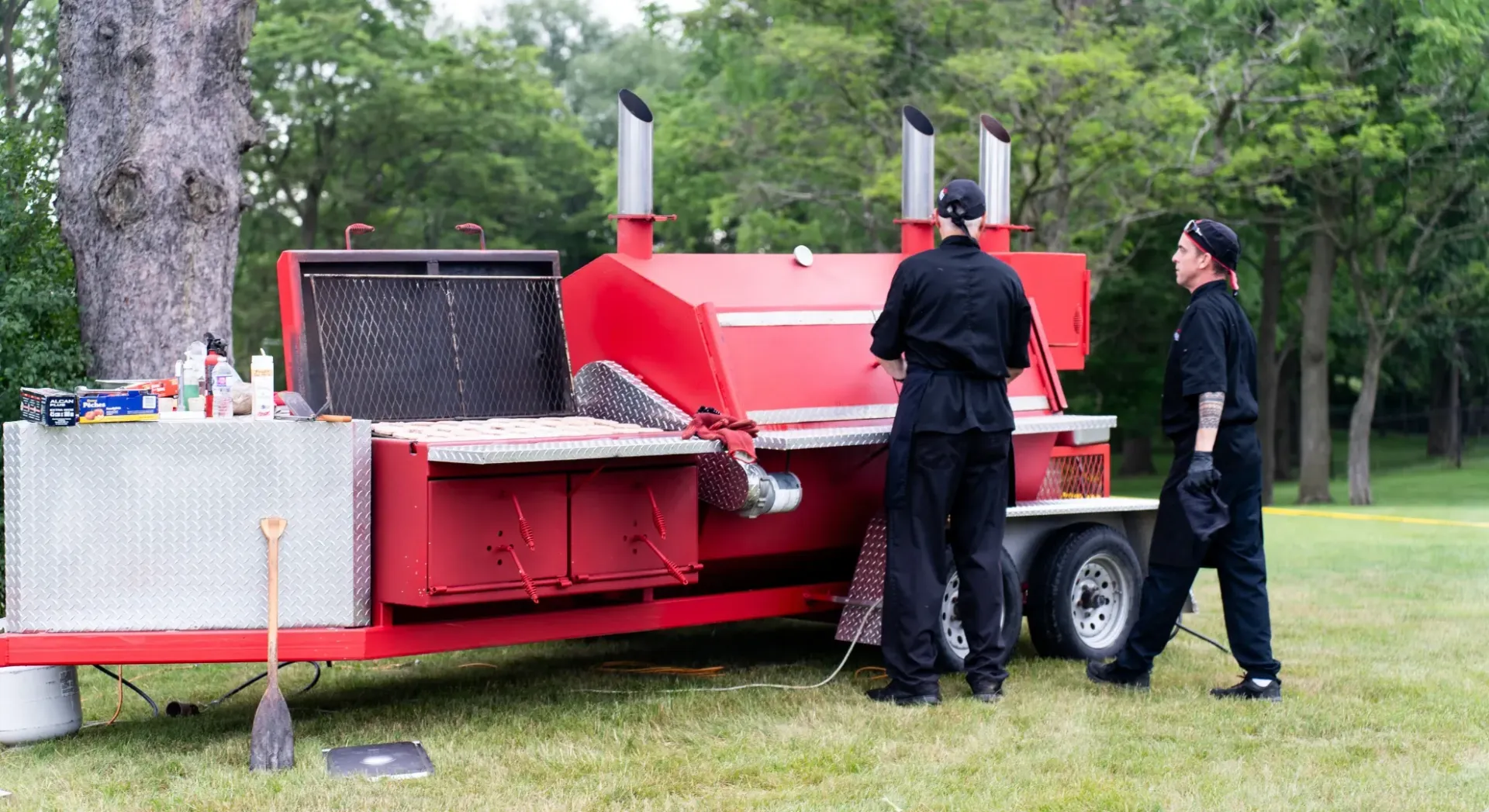
You do not need a competition rig to cook great ribs. What you need is a setup that holds steady temperature and traps smoke. The most common options:
- Offset smoker. Burns wood logs, delivers the most authentic Southern flavor, and demands the most attention. There is a learning curve but the results are worth it.
- Vertical or bullet smoker. Uses charcoal with wood chunks added for smoke. Forgiving, affordable, and beginner-friendly.
- Pellet smoker. Uses compressed wood pellets and an automated auger to hold temperature. The lightest workload, with a milder smoke profile than wood-burning rigs.
- Kettle grill with indirect heat. A 22-inch kettle with the coals banked to one side and a water pan opposite can produce excellent ribs. This is how plenty of home cooks start.
Wood Types for Authentic Southern flavour
Wood is both fuel and seasoning. The variety you choose shapes the final flavor.
- Post oak. The Texas standard. Clean, balanced smoke that works for almost any meat and rarely turns bitter.
- Hickory. The Southern classic. Strong, bacon-like, and assertive. Use in moderation or it can overpower the meat.
- Pecan. A Southern cousin of hickory. Sweeter, milder, and forgiving for longer cooks.
- Cherry and apple. Fruitwoods bring a gentle sweetness and a pretty mahogany color. Often blended with a stronger wood.
- Blends. Many of our pit cooks at Feast run a blend, like pecan with cherry or hickory with apple. The combination softens the stronger wood and rounds out the flavor.
Tools that Make the Process Easier
- Dual-probe digital thermometer. One probe in the meat, one near the grate. This is the single most important tool in your kit.
- Long-handled tongs. Keep your hands clear of the heat when moving ribs.
- Spray bottle or basting mop. For spritzing or mopping during the cook to keep the surface moist and help the bark build.
- Heat-resistant gloves. For handling racks, grates, and hot wood without burning yourself.
- Butcher paper or foil. Optional, for cooks who want to wrap during the stall. More on that below.
Can’t Smoke Outside? Alternative Cooking Methods
Not everyone has a backyard or a pit. You can still get most of the way there with an oven or a slow cooker. You will lose the smoke ring and some of the bark, but the meat itself can still be excellent.
BBQ ribs in the oven
Prep the ribs the same way. Place them bone side down on a foil-lined sheet pan and wrap loosely with another sheet of foil, or use a covered roaster. The foil traps moisture, mimicking the closed environment of a smoker.
Bake at 275 degrees Fahrenheit for 2.5 to 3 hours, until the meat is tender. In the last 20 to 30 minutes, uncover the ribs, brush on your BBQ sauce, and bump the heat to 400 degrees so the sauce sets into a sticky glaze. For a hint of smoke flavor, add a few drops of liquid smoke to the rub or sauce. Use it sparingly.
BBQ ribs in a slow cooker
Season the ribs as usual, then stand them up in the slow cooker with the bone side facing in. Pour about a cup of BBQ sauce over the top.
Cook on low for 6 to 8 hours, or on high for 3 to 4 hours. When the meat is tender, transfer the ribs to a sheet pan, brush with more sauce, and run them under a hot broiler for 3 to 5 minutes until the sauce caramelizes. This step is what gives you anything close to a bark.
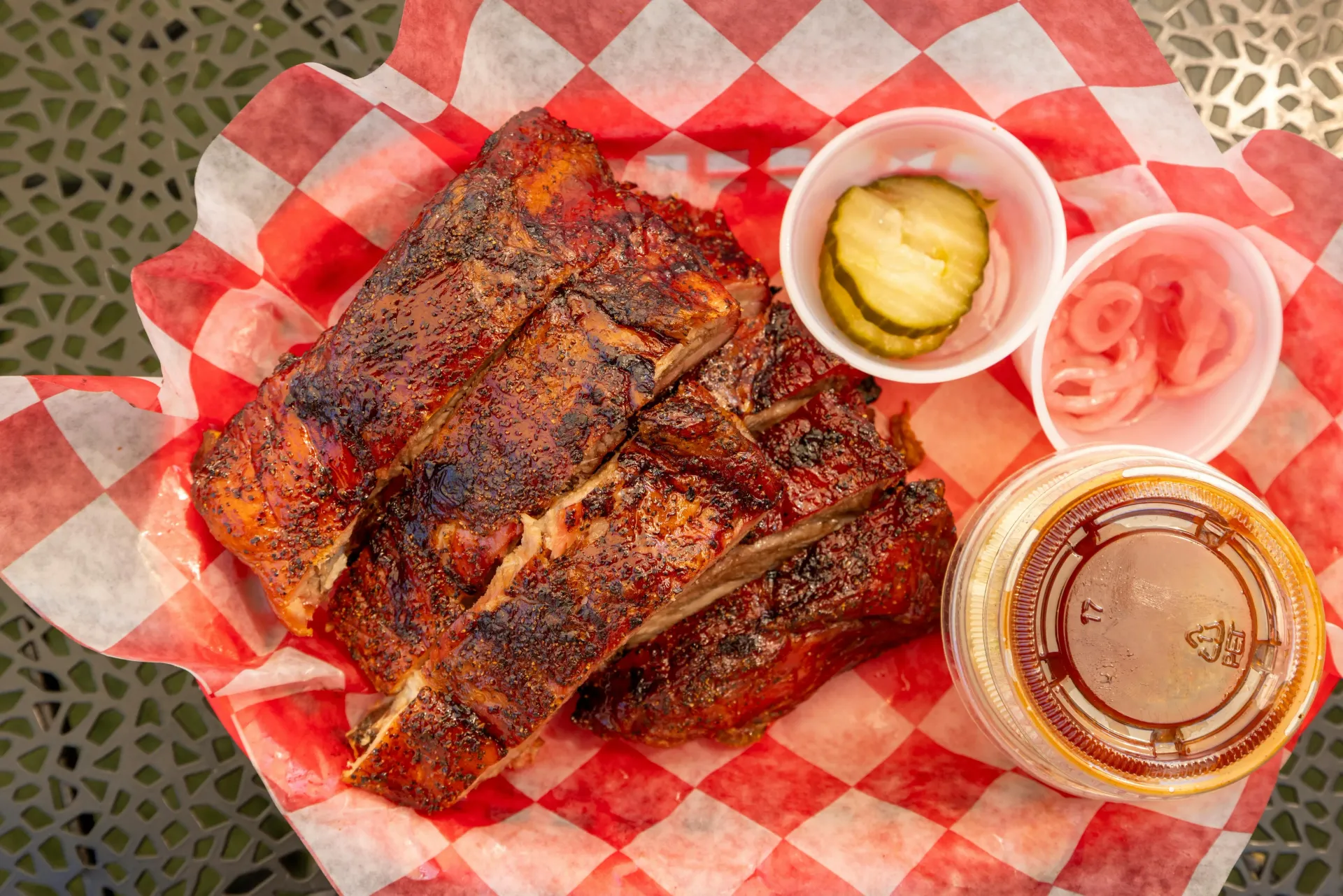
Southern Style BBQ Ribs Recipe
This is the version we use as a starting point for catering jobs. Adjust the rub heat and sauce sweetness to your crowd.
Recipe Overview
| Detail | Information |
|---|---|
| Serving | 4 to 6 people |
| Prep Time | 30 minutes (up to 24 hours for an overnight rub) |
| Cook Time | 5 to 8 hours, depending on cut and method |
| Total Time | 5.5 to 8.5 hours |
Ingredients
The Ribs
- 2 racks of pork spareribs or St. Louis cut ribs (about 4 to 5 lbs), or 1 plate of beef short ribs
Dry Rub
- 2 tbsp smoked paprika
- 2 tbsp brown sugar
- 1 tbsp kosher salt
- 1 tbsp coarse black pepper
- 1 tbsp garlic powder
- 1 tbsp onion powder
- 1 tsp cayenne pepper (adjust to taste)
- 1 tsp ground cumin
- 1 tsp dry mustard
Mop Sauce
- 1 cup beef broth
- ¼ cup apple cider vinegar
- 2 tbsp Worcestershire sauce
- 1 tbsp butter
BBQ Sauce (if you’re not using packed ones)
- 1 cup ketchup
- ¼ cup apple cider vinegar
- 2 tbsp brown sugar
- 1 tbsp Worcestershire sauce
- 1 tsp smoked paprika
- 1 tsp garlic powder
- Salt and pepper to taste
Method
This recipe uses the no-wrap approach for a firmer bark. If you prefer a softer bark and faster cook, you can wrap in foil or butcher paper once the ribs hit the stall (around 165 degrees Fahrenheit internal). Both are legitimate Southern techniques.
- Prep the ribs. Pull the membrane, trim heavy fat, pat dry, and coat with the rub. Rest for at least 30 minutes, or refrigerate overnight.
- Make the sauces. Combine the mop sauce ingredients in a small saucepan and warm gently. Do the same for the BBQ sauce, then set both aside.
- Set up the smoker. Bring the smoker to a steady 250 degrees Fahrenheit. Add your wood and place a water pan inside to stabilize humidity and temperature.
- Smoke the ribs. Place the ribs bone side down on the grates and close the lid. Resist the urge to open it for the first 2 to 3 hours. Opening the smoker drops temperature and extends cook time.
- Start mopping. After about 3 hours, spritz or mop the ribs once an hour to keep the surface moist and help the bark develop.
- Watch for the stall. Around 160 to 170 degrees internal, the meat will plateau as moisture evaporates. This is normal. Hold your temperature and ride it out, or wrap to push through faster.
- Check for doneness. Ribs are done when the meat has pulled back from the bone by a quarter inch or so, and a probe slides into the thickest part with little resistance. Internal temperature is usually around 200 to 203 degrees for pork ribs, slightly lower for beef.
- Sauce and set. In the final 20 to 30 minutes, brush on the BBQ sauce and let it tack up on the bark. Repeat once if you want a heavier glaze.
- Rest before slicing. Pull the ribs off the heat, tent loosely with foil, and let them rest for 15 to 20 minutes. This is when the juices settle back into the meat.
Nutrition per Serving (6 servings)
| Nutrient | Information |
|---|---|
| Calories | 415 kcal |
| Protein | 44.3 g |
| Fat | 23.7 g |
| Carbohydrates | 5.4 g |
| Sodium | Varies with sauce and rub salt content |
Note:
Values are estimates for hickory-smoked pork spareribs and will shift based on cut, rub salt, and sauce.
Final Thoughts
Cooki Great Southern BBQ ribs come from steady heat, clean smoke, good meat, and a cook who pays attention. Once you have the technique down, you can adjust the rub, sauce, and wood to your own taste. Every pitmaster has their version, and that is part of what makes this tradition so worth learning.
If you are planning a wedding, corporate event, or family reunion, cooking ribs for a crowd is no small job. The BBQ Feast pit crew has spent years feeding hundreds of people at a time without compromising on the slow-smoked quality you would put on your own backyard table. Reach out and let us handle the pit so you can handle the guests.
Frequently Asked Questions
What temperature is best for smoking ribs?
Most Southern pitmasters cook between 225 and 250 degrees Fahrenheit. That range gives collagen time to break down without drying the meat out. Some cooks push to 275 to speed things along, which works but leaves less margin for error.
How do you know when ribs are fully cooked?
Probe feel is more reliable than a number. Slide a thermometer into the thickest part of the meat between the bones. When it goes in with the resistance of warm butter, the ribs are ready. Most pork ribs land in the 200 to 203 degree range, beef ribs around 200 to 205. The meat should also have pulled back from the bone by roughly a quarter inch.
Should ribs be wrapped during cooking?
It depends on the style and the cook. Wrapping in foil or butcher paper around the stall pushes the ribs through faster and yields a softer bark. Going no-wrap takes longer but produces a firmer crust. Both are part of the Southern tradition. There is no single right answer.
What wood is best for BBQ ribs?
Post oak, hickory, and pecan are the most common Southern choices. Hickory leans strongest, pecan is sweeter and gentler, and post oak sits in the middle. Many cooks blend fruitwoods like cherry or apple in for a touch of sweetness and color.
Can ribs be made without a smoker?
Yes. An oven at 275 degrees, with the ribs wrapped in foil for the first stretch and sauced uncovered at the end, will get you in the ballpark. A slow cooker followed by a quick broil is another option. You will not get the smoke, but the meat can still be excellent.
How long should ribs rest after cooking?
At least 15 to 20 minutes, tented loosely with foil. Resting lets the juices redistribute through the meat so they stay in the rib instead of running out onto your cutting board.