Southern Style BBQ Sauce Traditional Recipe and Flavor Guide
Introduction
Here is something worth knowing upfront. Most people grew up with bottled sauce. What the Carolinas and Alabama have been making for generations is a completely different product.
That is not a knock on bottled sauce. It does the job. The real thing came from actual pit cooking. Communities had specific animals, specific woods, and immigrant traditions shaping what went in the pot. And they all landed somewhere different. North Carolina ended up with something thin and vinegary that surprises people.
Kansas City landed on thick and sweet. Alabama somehow invented a creamy white sauce in 1925 and people are still confused by it. This covers all four styles, a recipe that works, and some tips from making it at home.
Key Takeaways
- Southern BBQ sauce has four distinct regional styles and each one was built around a specific cut of meat and cooking method.
- Carolina style is the oldest, Memphis is built on dry rubs, Kansas City glazes with sweetness, and Alabama White Sauce surprises everyone the first time.
- A homemade southern style BBQ sauce recipe comes together in about 25 to 30 minutes with pantry staples most people already have.
- Getting the flavor right comes down to how you add the vinegar and sugar, not just what you put in.
What Is Southern Style BBQ Sauce
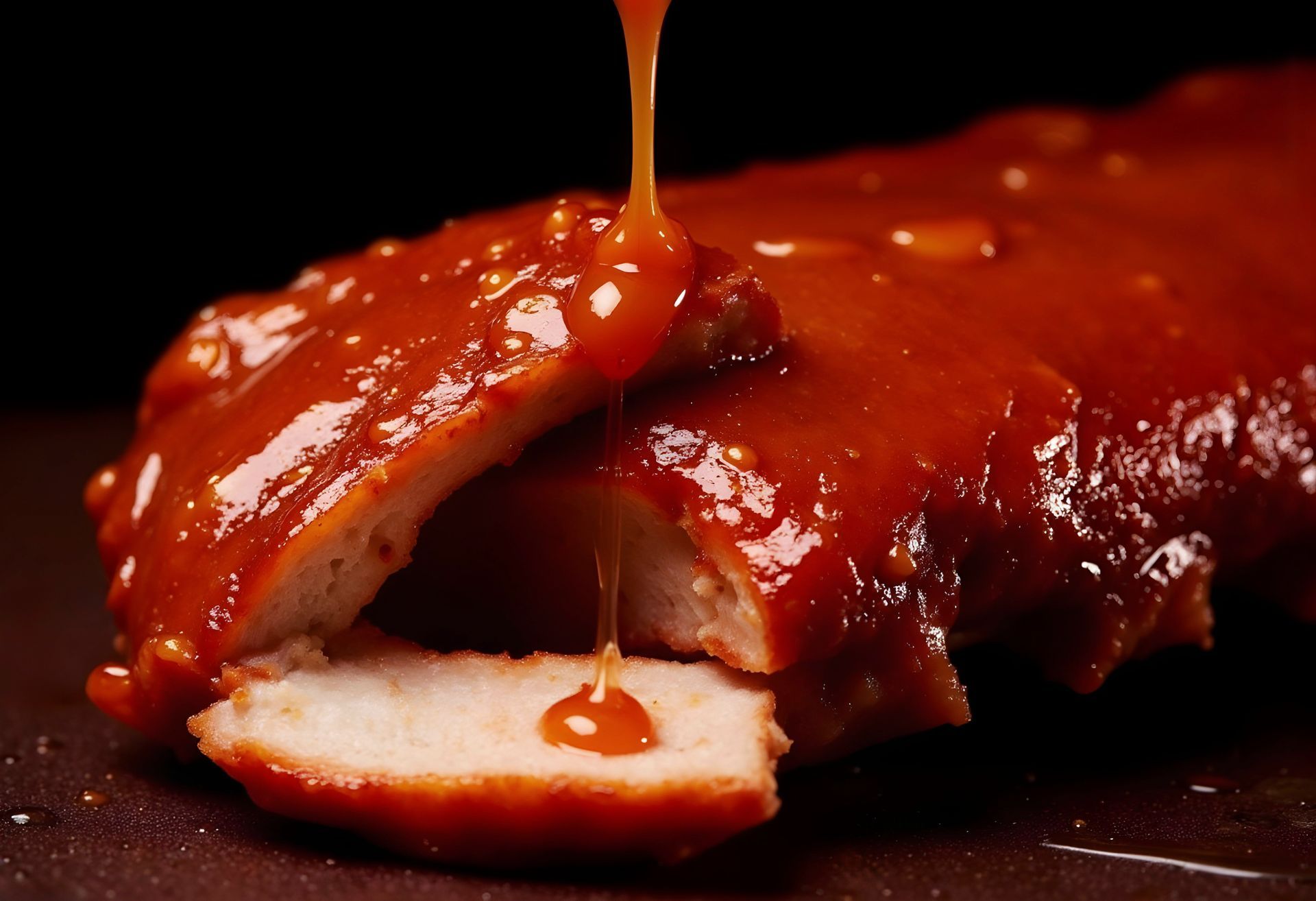
Southern style BBQ sauce is not really a single product. It is a whole category of things that developed in parallel across different parts of the South. Nobody coordinated it. Different communities figured out independently what tasted right with slow-smoked pork or chicken or beef.
Vinegar was cheap and available. Mustard came with the German settlers in South Carolina. Tomato-based stuff got popular as commercial ketchup spread. Mayonnaise showed up in Alabama in a way nobody really expected. The thing they all share is a push toward balance. Sweet against tangy. Savory underneath. Working with the smoke in the meat rather than just covering it.
At BBQ Feast, that whole idea shapes how they smoke and what ends up on the plate.
What Actually Makes Southern Sauce Different
Look, most grocery store BBQ sauce is fine. It is sweet and tomatoey and does what you need it to do. It was made to appeal to everyone at once. Which really means it was made for no one specifically. Southern sauces were made for a specific cut in a specific region. That is a different product entirely.
Vinegar in a Carolina sauce is not just for flavor. It cuts through the fat in a whole-hog pork shoulder after 12 hours of cooking. Molasses in a Memphis or Kansas City sauce are not just about sweetness. Under heat it caramelizes and builds crust. Worcestershire is not a decoration. It sits underneath everything else and adds savory depth that pure sweetness cannot fake.
And then there is how the sauce gets used. Traditional Southern cooking often involves mopping sauce onto the meat while it still cooks. Not just at the end. Flavor builds in layers. By the time the meat comes off, the sauce is baked into the bark. It does not just sit on top.
Types of Southern BBQ Sauces
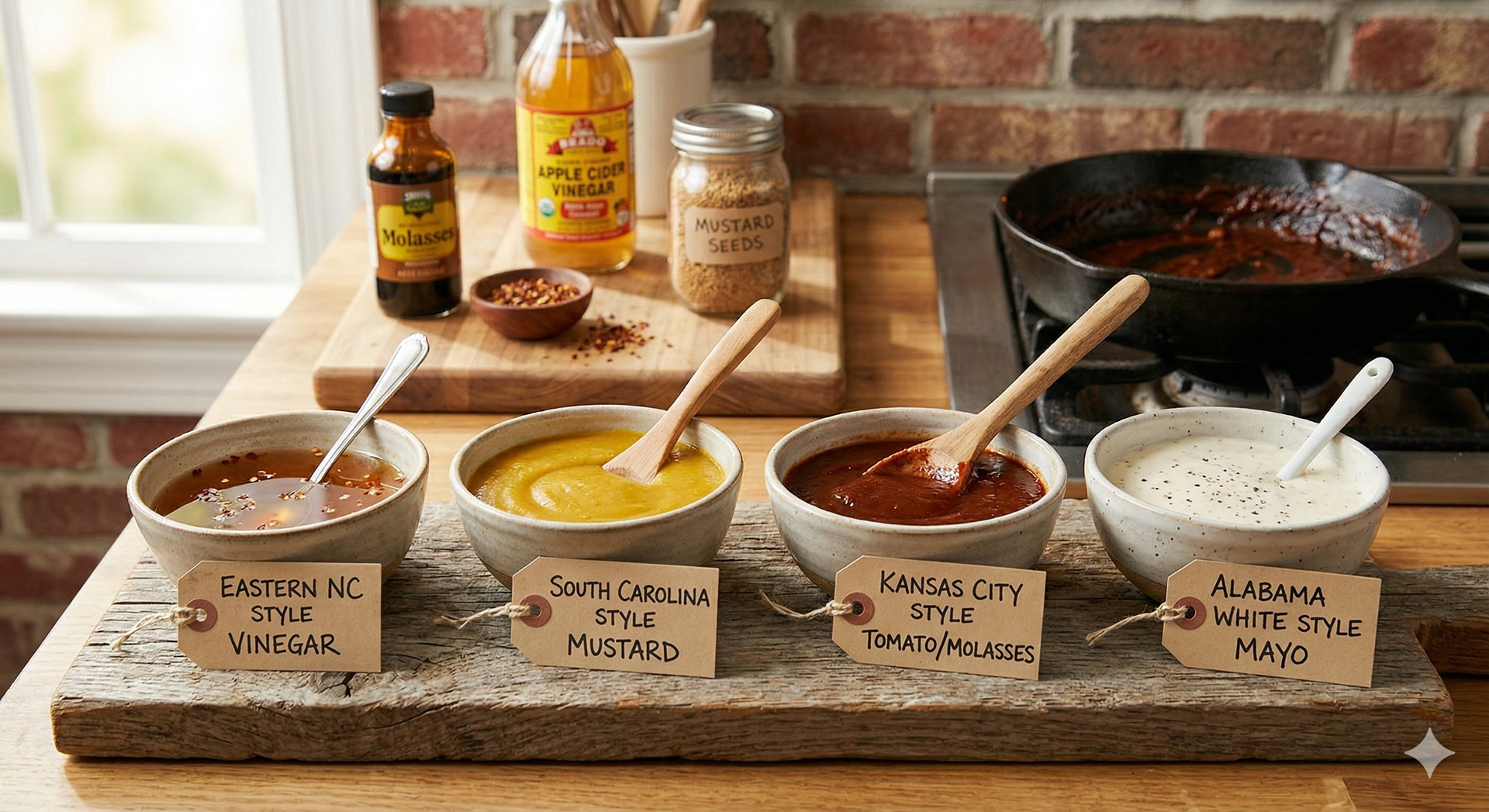
Four main styles, worth knowing all four. Each one makes sense once you know the meat and region it came from.
Carolina Style
If there is a starting point for American BBQ sauce history, it is Eastern North Carolina. The sauce there is almost aggressively simple. Apple cider vinegar, red pepper flakes, salt. That is it. No ketchup, no sugar, nothing. It is thin, pungent, and gets mopped onto whole-hog pork all through the cooking process. Western Carolina, the Lexington style, softens things up a bit. Ketchup and brown sugar come in, making it thicker and less sharp. More recognizable to most people.
South Carolina then does something totally different. Yellow mustard is the base. That goes back to German settlers who brought their love of mustard to a pork-heavy culture. Called Carolina Gold. Tangy, mildly sweet, really good with pulled pork. Worth trying even if it looks wrong the first time.
The Taste of Home regional BBQ sauce guide puts Eastern Carolina among the oldest BBQ styles.
Memphis Style
Memphis is weird about sauce in a good way. The city built its BBQ reputation on dry-rubbed ribs. Sauce is considered almost an insult to the process. And yet Memphis-style sauce exists. When it shows up it leans heavy on tomato and molasses.
Dark, thick, and rich. Wet ribs get coated before the cook, during, and again after. That repetition builds a sticky, caramelized crust. Not about sweetness. About building layer after layer of flavor over time.
Kansas City Style
This is probably what most people have in their fridge right now. Thick, tomato-based, brown sugar and molasses for sweetness, Worcestershire for a savory kick underneath.
Dense enough that it glazes the outside of the meat rather than soaking in. Brush it on toward the end and it caramelizes nicely. Works on almost anything. Ribs, brisket, chicken, all of it.
Alabama White Sauce
The first time most people see this sauce, they genuinely think there has been some kind of mistake. It is pale. Creamy. Nothing about it says BBQ sauce. Robert Gibson at Big Bob Gibson's Bar-B-Q in Decatur, Alabama made it in 1925.
Built specifically for smoked chicken. The base is mayonnaise and apple cider vinegar. Black pepper, horseradish, and hot sauce go in the mix. Tangy, a little sharp, rich underneath. It works on more than just chicken these days. Good on sandwiches, as a dip, poured over coleslaw.
Ingredients for Southern Style BBQ Sauce
No need for a long list here. Ratio matters more than quantity. Here is what goes into the base for a classic southern style BBQ sauce recipe:
- 1 cup ketchup
- 1/4 cup apple cider vinegar
- 2 tablespoons brown sugar
- 1 tablespoon Worcestershire sauce
- 1 tablespoon yellow mustard
- 1 teaspoon smoked paprika
- 1/2 teaspoon garlic powder
- 1/2 teaspoon onion powder
- Salt and black pepper to taste
- Hot sauce if you want heat
A delicate sweetness meets a crisp, tangy finish. Once you’ve mastered the base, the art of the adjustment becomes second nature.
Step by Step Recipe for Southern BBQ Sauce
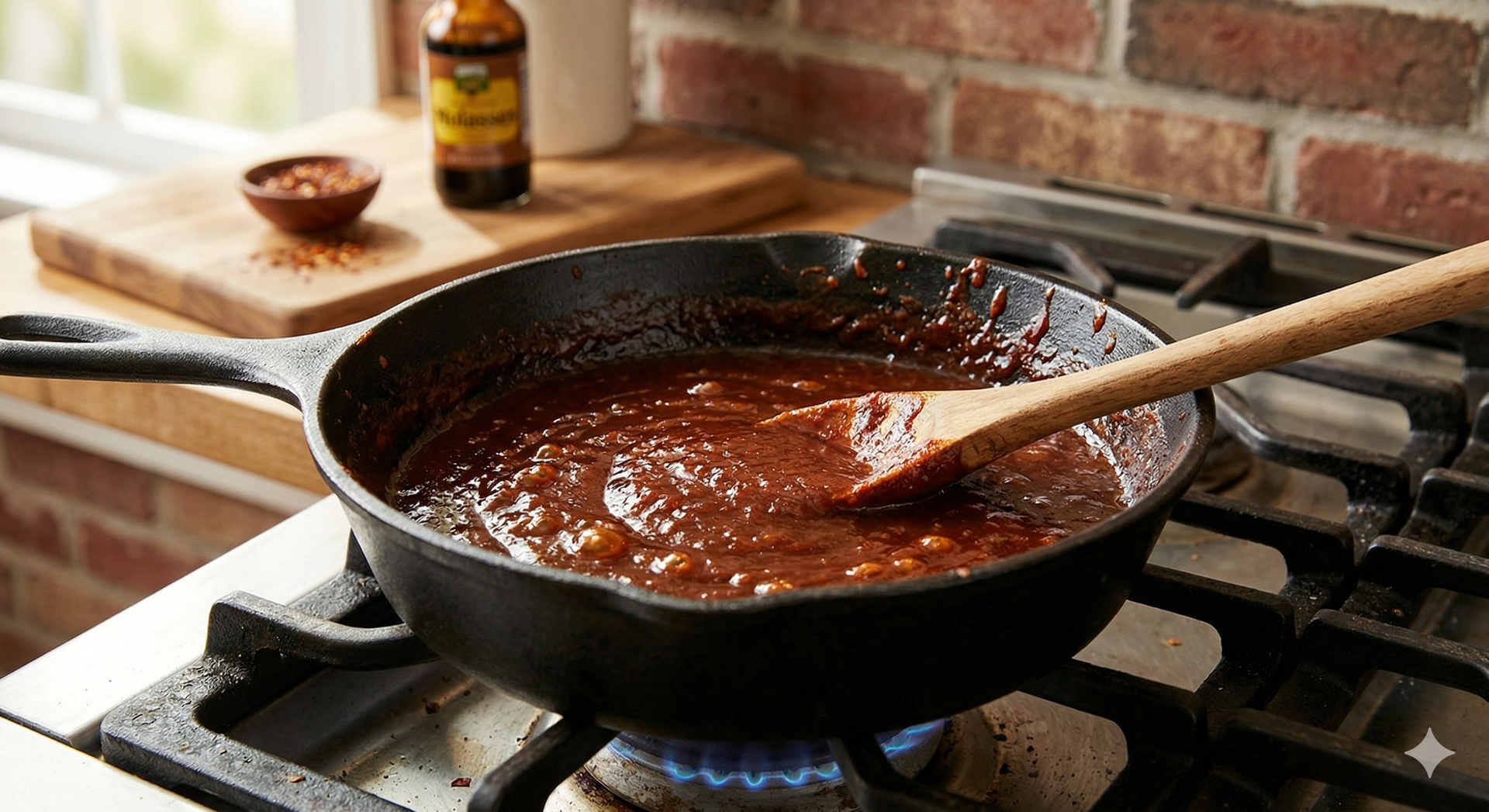
This whole process runs about 25 to 30 minutes. It is genuinely straightforward but the order matters, so work through each step before moving to the next.
Step 1: Combine Base Ingredients
Pour the ketchup, apple cider vinegar, Worcestershire sauce, and yellow mustard into a medium saucepan. Turn the heat to low and stir everything together until the mixture looks smooth and even with no streaks. This is just about getting a consistent base before anything else goes in. Takes maybe two minutes.
Step 2: Add Spices and Flavor
Add the brown sugar, smoked paprika, garlic powder, and onion powder directly into the pan. If you want heat, this is when the hot sauce goes in. Stir continuously until the sugar fully dissolves and the spices are evenly distributed. You should not see any clumps or dry pockets at this point. Taste it here too, just to know where you are starting from.
Step 3: Simmer the Sauce
Turn the heat up to medium and bring the sauce to a gentle simmer. You want small bubbles breaking at the surface, not a rolling boil. Cook it uncovered for 15 to 20 minutes, giving it a stir every three to four minutes. As moisture evaporates, the sauce will thicken and the color will deepen slightly. This simmer is where the raw edges of the vinegar and mustard mellow out. Do not cut this step short.
Step 4: Adjust Taste
Pull the pan off the heat before tasting. Hot sauce straight from the stove will burn your tongue and you will not get an accurate read on the flavor. Let it sit for a minute, then taste carefully. Too sharp and acidic? Stir in a little more brown sugar. Too sweet and flat? A small splash of vinegar brings the balance back. Add salt and black pepper here and stir them in fully before tasting again.
Step 5: Let It Cool
Set the sauce aside and leave it alone. The flavor keeps developing as it cools down and it will taste noticeably different at room temperature than it did straight off the heat. Once it reaches room temperature, pour it into a clean glass jar and seal it. If you are using it the same day, give it at least 20 minutes to rest before serving.
How to Get the Flavor Balance Right
Most homemade BBQ sauces go wrong in the same few places. These habits fix most of it:
- Split the vinegar. Half at the start, taste, then add the rest if needed. A sharp flavor is easy to add but hard to take back.
- Brown sugar goes in at the final stage. Near the end of the simmer. Adding it too early makes the sweetness heavy and syrupy rather than clean.
- Smoked paprika, not liquid smoke. While paprika provides an authentic smokiness, liquid smoke quickly becomes artificial if overused.
- Worcestershire is non-negotiable. Although it’s a small amount, it adds savory depth that no amount of sugar or vinegar will replicate.
Best Meats to Pair with Southern BBQ Sauce
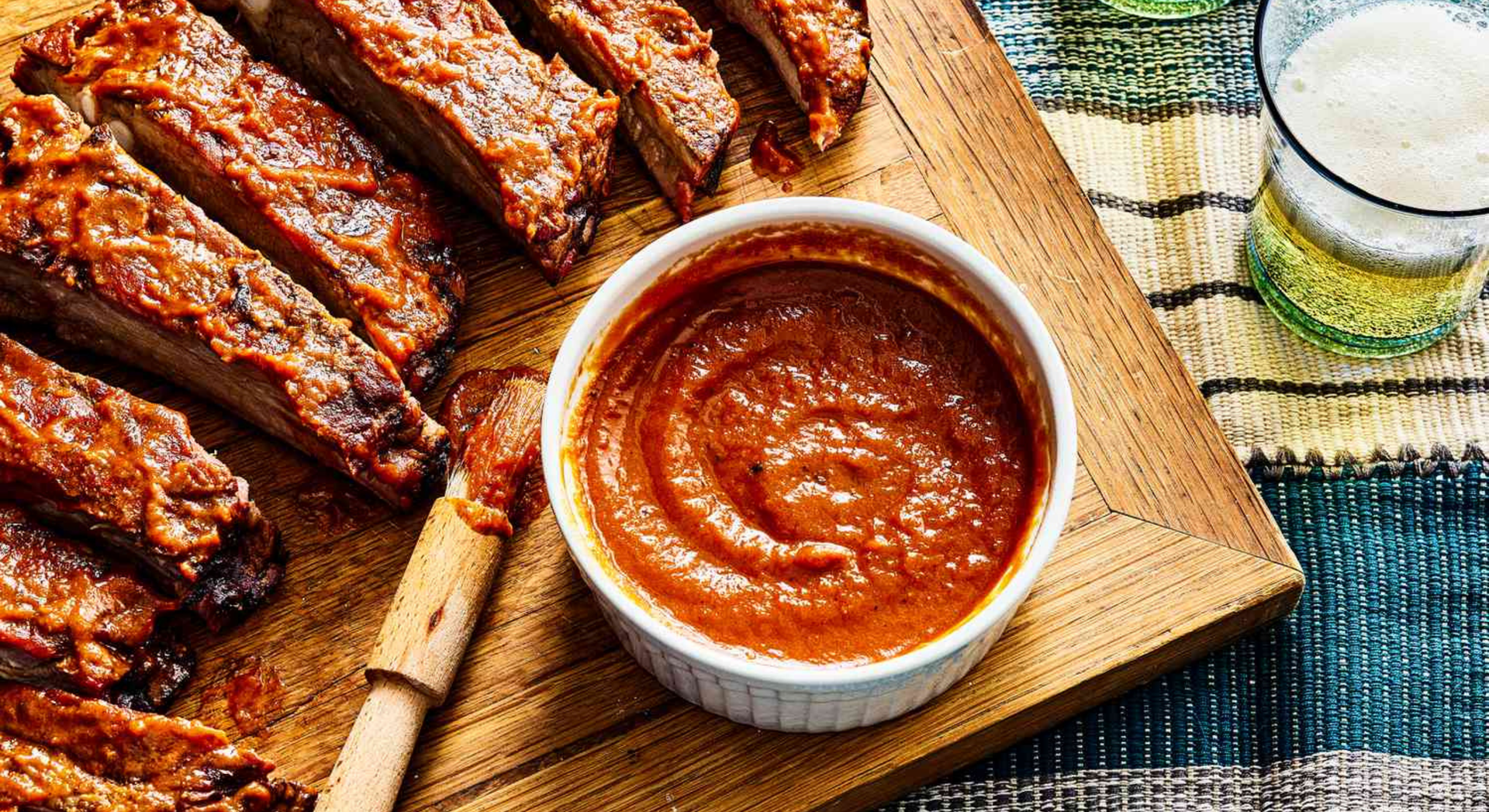
Pairing the right sauce with the right cut actually changes how the whole plate tastes. Worth getting this right:
- Pulled pork does best with Carolina vinegar sauce or Carolina Gold. The acid cuts through the fat in the shoulder without killing the meat flavor underneath.
- Beef brisket is where Kansas City or Memphis sauce earns its place. Thick, sweet glaze against a smoky bark on a well-smoked brisket is a good combination.
- Smoked chicken belongs with Alabama White Sauce. It clings to the skin, adds tangy richness, and does not cover up the smoke.
- Pork ribs are the most flexible. Memphis, Kansas City, or a blend works fine depending on preference.
Browse the options at
BBQ Feast and try pairing different sauces with different cuts.
Tips for Making Better Sauce at Home
A few things that consistently make a real difference and tend to get skipped. None of these are complicated, but leaving them out shows up in the finished sauce.
- Pull your ingredients out of the fridge 15 minutes before you start. Cold ketchup and cold vinegar do not blend as smoothly and they cook unevenly once the simmer kicks in. Room temperature fixes both of those things without any extra effort on your part.
- Use fresh garlic over garlic powder if you have it. Sauté it in the pan for about a minute before anything else goes in. The flavor it gives is noticeably cleaner and rounder. It is not a dramatic difference, but it shows up clearly in the finished sauce and takes barely any extra time.
- Taste the sauce at three different points, not just at the end. Once before the simmer starts, once halfway through, and once right before pulling it off the heat. The flavor shifts noticeably at each stage, and catching a problem in the middle is a lot easier than trying to correct it once the sauce is nearly done.
- Do not cut the simmer short. Pulling it off the heat early leaves a raw, sharp edge in the flavor that does not go away on its own. The full 15 to 20 minutes is what smooths everything out and brings the sauce together into one cohesive flavor rather than a collection of separate ingredients.
- Add vinegar in two stages, not all at once. Put half in at the start and hold the rest. Taste before adding more. Sharpness is easy to add and very hard to walk back once the sauce has been cooking for a while.
- Write down what you changed. The first batch you make will probably be good. The second one can be better if you remember what you adjusted. A small note on your phone about how much sugar or vinegar you added makes the next batch much easier to dial in.
How to Store and Reuse BBQ Sauce
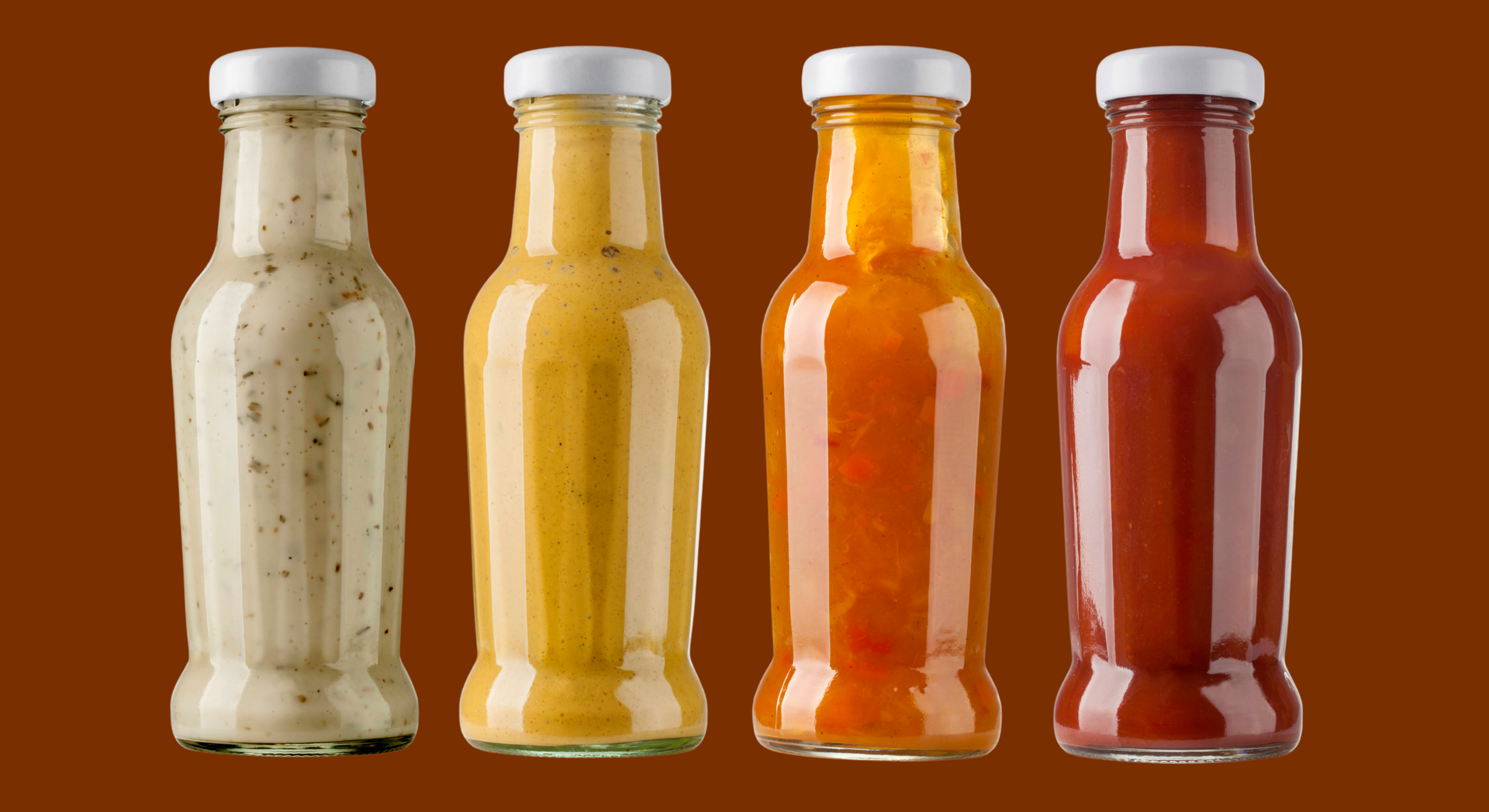
Southern-style BBQ sauce stores exceptionally well, maintaining its bold flavor for weeks. Two months in the fridge in a clean, airtight glass jar. The vinegar drops the pH naturally, which slows bacterial growth without needing any preservatives. Use a clean spoon every time you scoop from the jar.
Before cooking, set a small separate amount aside for basting. Never bring a brush that has touched raw meat back into the main jar. This one small habit keeps the whole batch safe.
Made a large batch? Freeze the extra. Cooled sauce into a freezer bag, air pressed out, sealed. It should last up to three months. The night before you need it, move it to the fridge to thaw slowly.
Final Thoughts
Southern style BBQ sauce is a lot more interesting once you understand why each version exists. It is not just about flavor preference. The vinegar in Eastern Carolina makes sense when you picture whole-hog pork with that much fat. The molasses in Kansas City makes sense when you picture it glazing brisket in an offset smoker.
Every version grew out of something real. Making your own means you get to understand all of that through the cooking itself. Start with the recipe here. Taste every stage. Give it the full simmer time. Adjust until it sits right.
Frequently Asked Questions
Can I make BBQ sauce without ketchup?
Yes, tomato paste with a little water and apple cider vinegar works. Less sweet, more concentrated. Better control over how much sugar ends up in there.
How long should BBQ sauce be cooked?
Fifteen to twenty minutes over medium-low heat is the window. Past 30 minutes the sugars concentrate too much and the sauce can end up bitter.
Can I freeze homemade southern style BBQ sauce?
Yes. Freezer-safe container, up to three months. A good southern style BBQ sauce freezes well. Move to the fridge the night before you need it and let it thaw slow.
Why does my BBQ sauce taste too sour?
Almost always too much vinegar without enough sugar to balance it. Add brown sugar in small amounts and taste between each one until the sharpness backs off.
Can I make BBQ sauce spicy?
Yes. Cayenne, red pepper flakes, or hot sauce work during the simmer. Start smaller than you think you need and taste before going further.
What is the best sugar for southern style BBQ sauce?
Dark brown sugar. The molasses already in it adds depth alongside sweetness. It also holds up better through simmering than lighter sugars.